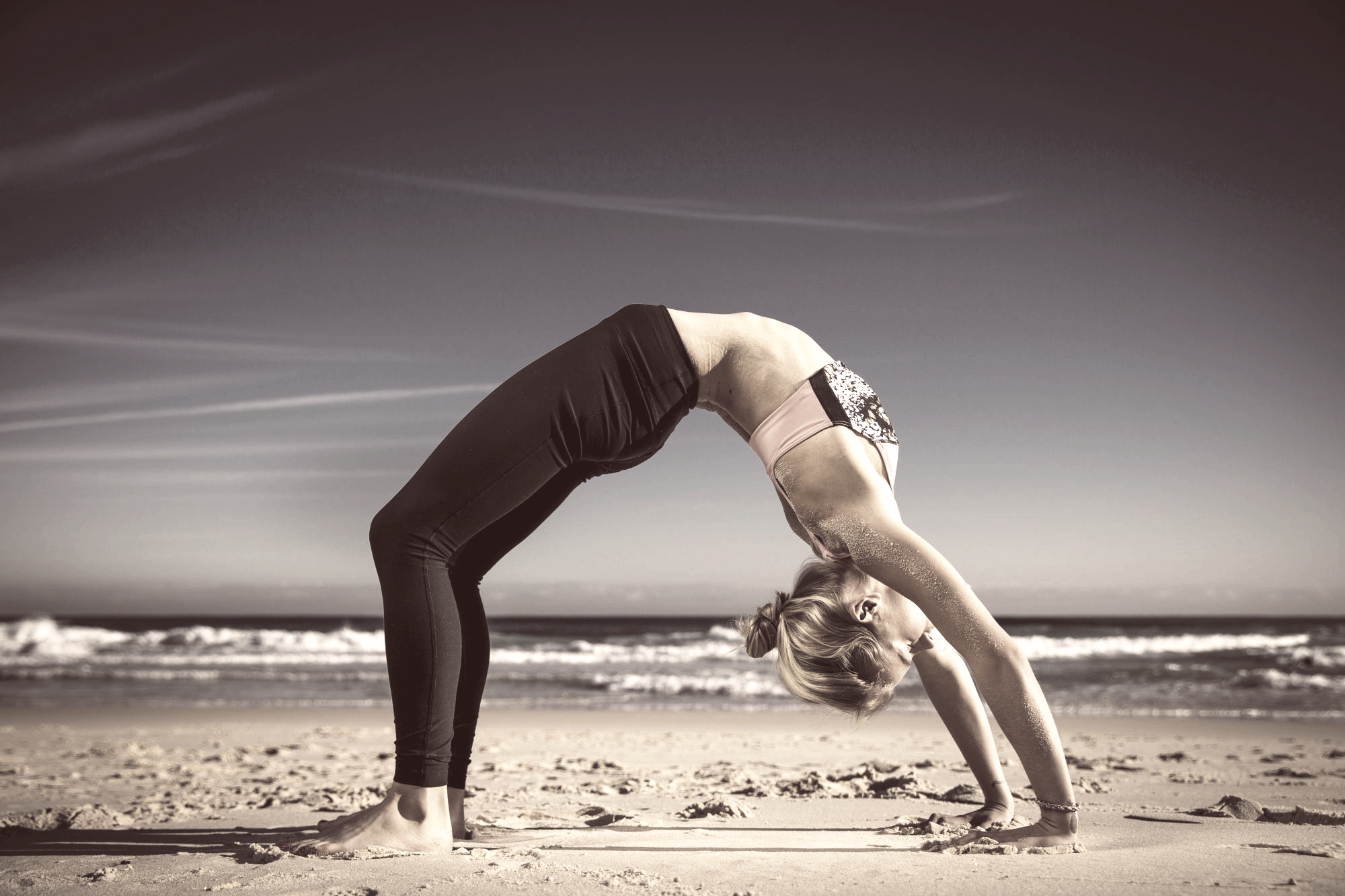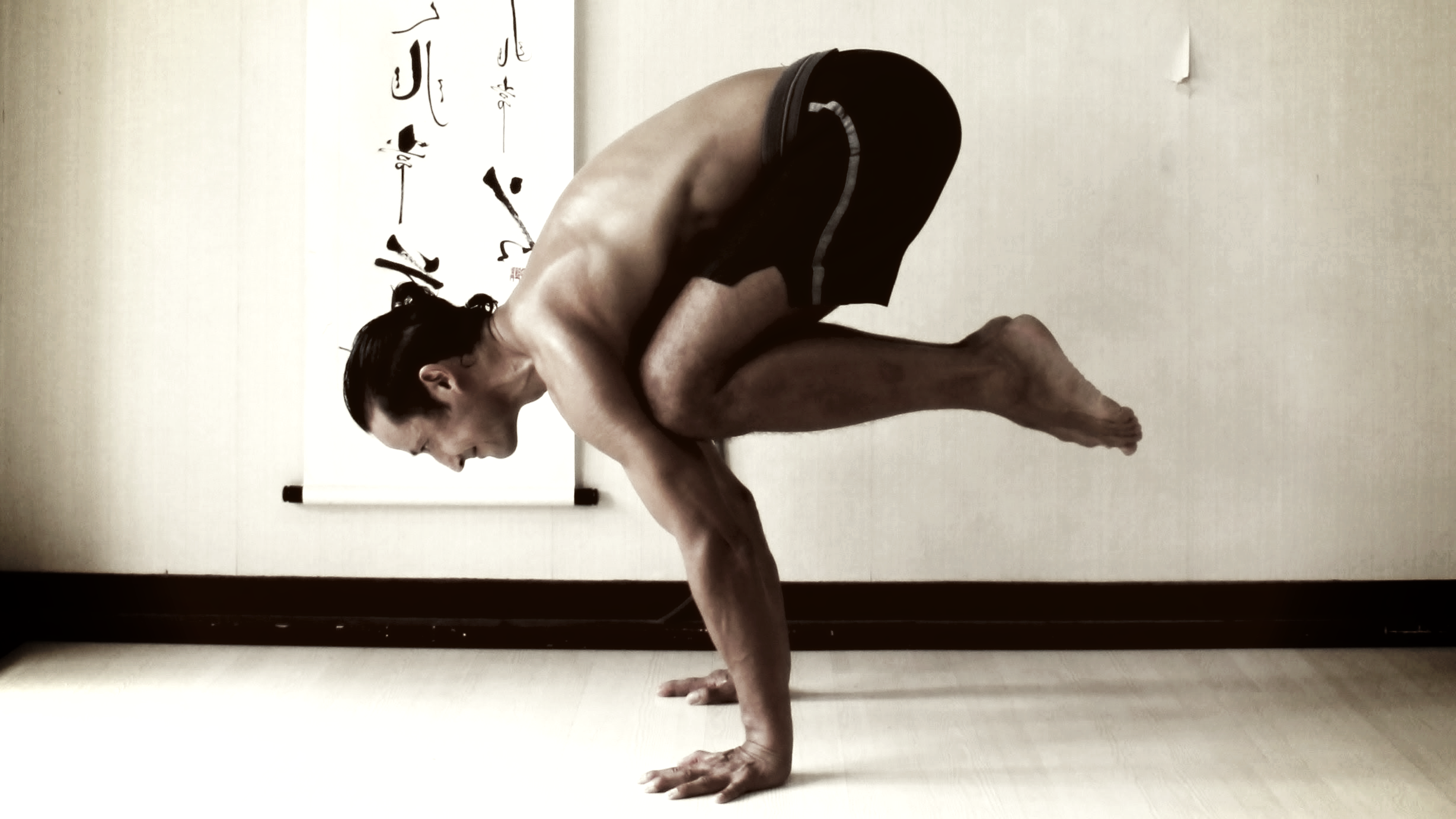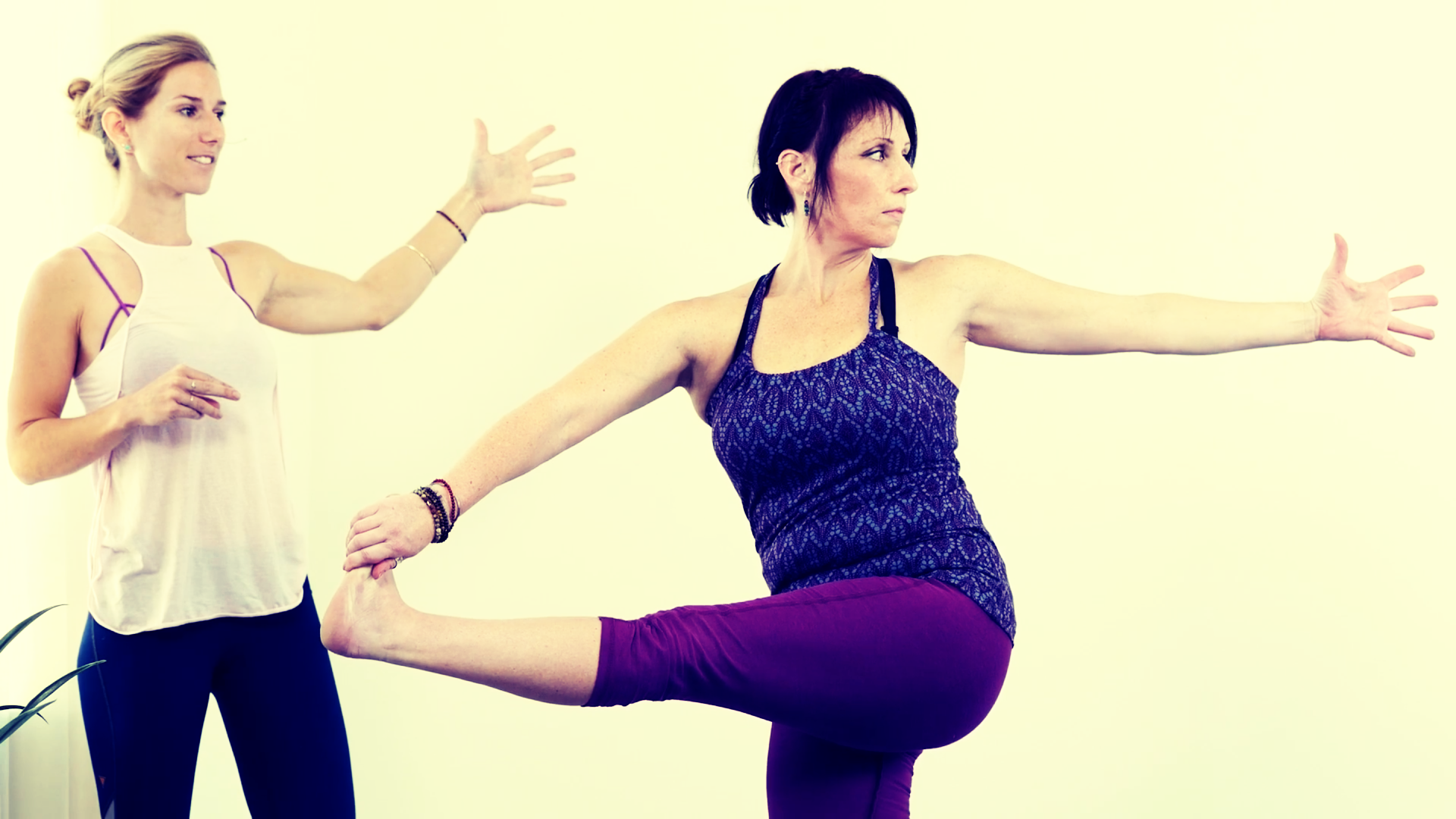

So ubiquitous is yoga, and in so many forms, that we now have the British Yoga Championships, devotees of which are attempting to get yoga "recognised" as an Olympic sport. And one of the reigning British yoga champions has been doing yoga for only two years.
Pushing the Olympic dream forward is the Bikram school of yoga, founded by Bikram Choudry, who was always more of an athlete than an aesthete. His system of the same 26 poses performed in a room heated to 41C was devised originally to restore his own health after a gymnastics accident at 20. Now, thanks to a nine-week teacher-training course and 840 studios world-wide, Bikram is claimed to be the fastest-growing yoga system in the world.
I feel even more shocked to hear that the egregious spread of any number of types of yoga has extended back to India itself, the home of yoga, where fashionable girls in Mumbai are taking it up for the first time because "Madonna does it".
Power yoga classes, the Californian way, seem to have become a platform for both teachers and pupils to show off toned torsos as well as to perform and impress with their fabulous ability to bend and contort the body into ever more demanding positions. What happened to inquiry and the acquisition of wisdom? What happened to the teaching of BKS Iyengar, who suggested that all you need for yoga practice is a mat and some space in the shade?
No longer does the aspiring yogi have to choose from acknowledged schools such as Hatha, Iyengar, Sivenanda, Ashtanga or Kundalini – the Bhagavad Gita (regarded as a sacred text by the majority of Hindu traditions) actually names 18 different kinds, each with its own emphasis. Today, due to the proliferation of yoga across the western world, teachers with only a few weeks or years of knowledge are offering a plethora of new permutations, some of which have strayed a very long way from the original systems.
Today you can choose from any number of "yoga fusions", among them power chi yoga (a combination of tai chi and Ashtanga yoga), Sport yoga (aerobics and yoga), Fitcamp Fusion (yoga and pilates), weight loss yoga, disco yoga and laughter yoga (the latest hot trend from Los Angeles) – and that’s not a joke. I could go on.
"In the 60s, we didn’t know anything about yoga and we accepted all things oriental with blind faith," says Peter Blackaby, a distinguished teacher with a practice in Brighton. "But after 40 years yoga has flowered and, yes, diversified and some of it is mad. Absolutely mad."
Indeed, some teachers think that if they throw in some pseudo-science, a bit of Sanskrit, some chanting but little instruction, then that is all right. In one class in LA they even played bagpipe music and I wondered if they thought that it was Indian. And remember the woman who came back from India some years ago practising a yoga that involved not eating, just breathing?
"There is such a thing as intelligent yoga," says Blackaby. "It’s about letting go, unravelling muscles only where you need to. There is nothing mindless or sleepy about it. "
For this article, I went recently to a so-called Ashtanga class in central London with a friend who is happily caught up in a passion for yoga. I have been to classes all over the world, in chilly church halls, mouldy basements, Zen gymnasiums, hotel spas as well as on distant beaches and in shaded gardens.
I have woken at dawn and driven from London to Oxford for regular classes and workshops. I have tried classes in Thailand, New York, Los Angeles, Paris and Shanghai. I have done days of yoga, three- and five-hour sessions and 40-minute bursts; classes where "gurus to the famous" presided and joss sticks were burned; where there was Sanskrit chanting, mystic breathing, and yogic jumping. I have done classes on my own and classes with up to 100 people.
In the Ashtanga class I tried, the pupils were packed in so tightly that the teacher couldn’t possibly see whether we were unravelling or not and she had no assistant. (It appeared to be more about making money than sharing knowledge.) She had what I call an Ashtanga body – taut and defined – and she started the class with an extremely advanced set of breathing exercises that are potentially dangerous. We then progressed to the familiar, tiresome routine of endless down-dogs, up-dogs and chatarangas that seem typical of many of today’s classes; repetitious poses that merely add up to callisthenics with absolutely no attention paid to the very stiff who were trying to go much further than their capabilities allowed.
Rarely do I go to a class (except those with my own teacher, Chloe Fremantle) in which upside-down poses (headstand, shoulder stand and variations), let alone a series of thoughtful floor poses (twists and balances), are taught or the individual is considered. It is all about pumping people up, rather than bringing them down into a calm, mindful place – despite ending the session with a bit of chanting (Sanskrit? Hindu? Tibetan?), to add a touch of random spirituality.
"In 1976, studying with Iyengar in India, we were told that we were very lucky to be learning yoga because it was something that was only for high-class, spiritual Indians," says teacher and yoga book author Mary Stewart. "Nowadays yoga has been dumbed down. Publishers demand a ‘celebrity’ on the book or magazine cover even if they don’t know how to do the poses," she says. "And I was asked to include a 10-minute programme presumably because no one these days is thought to have the attention span to do it for longer. In 1983, I was told that the word yoga could not be used, if the book I was co-writing was to sell in middle America."
And this is the same yoga that Carl Jung described as "the spiritual achievement of the East, one of the greatest things the human mind has ever created". What would he say about Geri Halliwell’s video? Would he be disenchanted to know that the desire for money and fame has corrupted Indians as well as westerners, many of whom have played along with what they think westerners want, both in India and, particularly, in guru-friendly California, branding their schools and systems for the rewards of money, status, cars and jewellery.
"Beneath the bogus spirituality and superficiality of some of the yoga around," says Stewart, "there is a yearning among generations all over the world for something deeper and more meaningful." I agree.
Yoga that is about strength and competition misses the point and inevitably ends up with injury and disillusion. Poses should be beneficial, not detrimental, as we strive for balance and the ability to sit and meditate with ease. The practice is about grounding and releasing; it involves effort but not push and struggle.
With or without Olympic yoga, there are people who will take yoga onwards and who realise the deep significance and power of its roots. "How can I say what is good and bad?" said the great Iyengar, recently interviewed about the way yoga is going. "People will find what they are looking for."
That seems to say it all.
Om peace
Kathy Philips