Posts Tagged ‘fitness’

Yoga for Runners

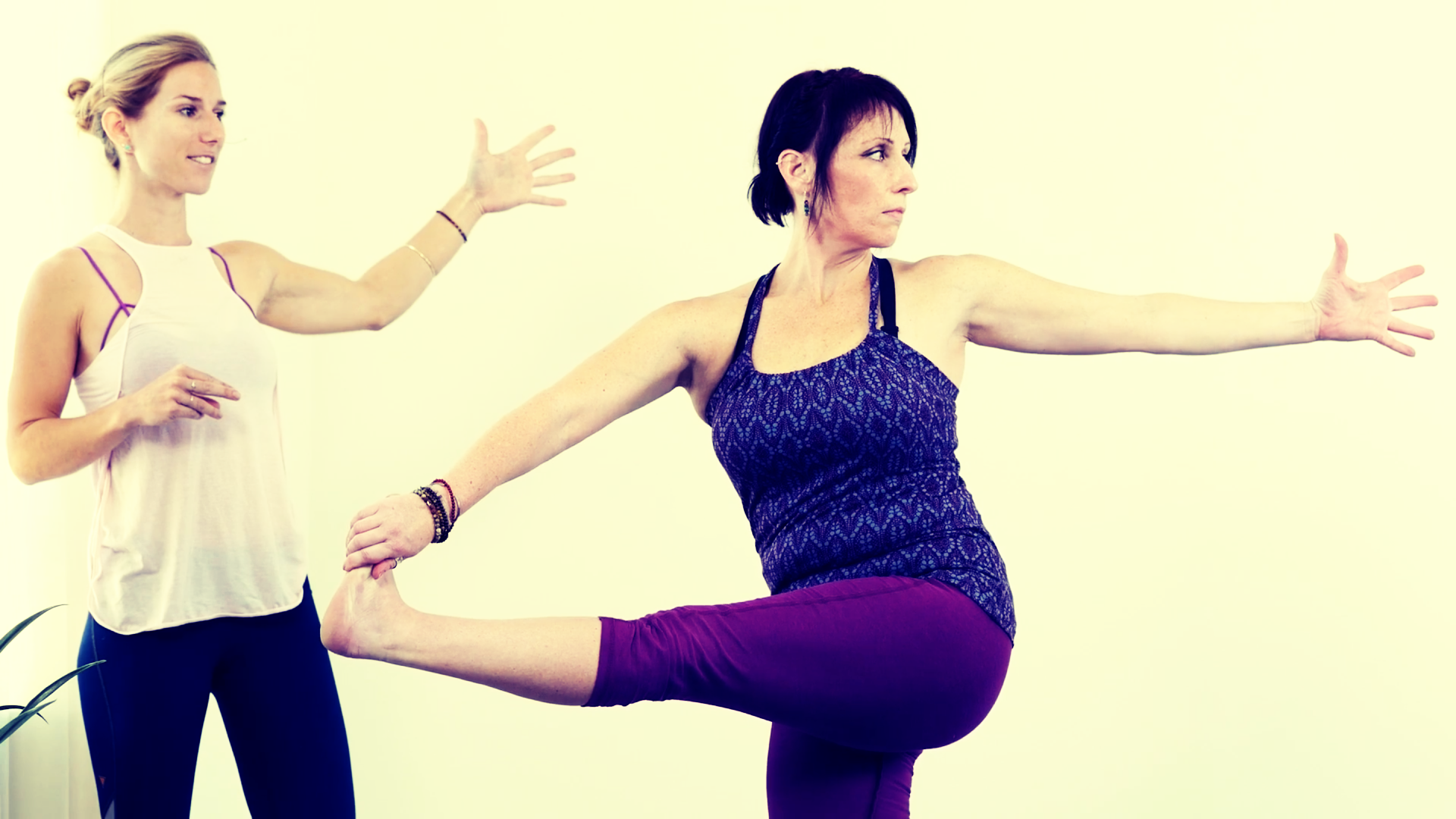
Here at Yoga Wellbeing we seem to be getting a huge amount of professional runners come to us asking for a little bit of help with flexibilty. One of the main questions is how clients can improve their classic runner’s hamstring tightness. We take classic yoga poses and alter them to take limited flexibilty into account. We play to runners strengths and adress the weaknesses. yoga for runners Yoga for Runners

One of our clients has ran five London Marathons and has found yoga an excellent cure for the hamstring problem. Yoga postures can correct the muscle imblances that result in high impact training. They help to realign the joints abd stretch and strengthen the muscles to prevent pain and injury. Yoga for runners is about felxibilty, so we’re not running with the brakes on and increasing the chance of injury.

A huge part of the programme is breath. Breathing through all of the stretches is key and yoga helps you to breath through some of the more challenging stretches. Running is wonderful but is not an all rounder. While most runners can run 25 miles comfortably they have difficulty touching their toes. This is because running only works mostly in one plane of motion - forward. In yoga we work in all directions. It brings balance to a running regime, strengthening to the muscles underused in running (such as the back extensors and the abs) and stretching those that get overused like the calves and the hamstrings.

If you would like to know more about our Yoga for Runners programme then please just click here.

Yoga pose of the weekend - Camel Pose

This is a great way to destress at the weekend. It opens up the chest and gets the energy flowing. So why not give it a try this weekend?

(oosh-TRAHS-anna)

ustra = camel

camel pose 375x375 Yoga pose of the weekend   Camel Pose

Step by Step

1. Kneel on the floor with your knees hip width and thighs perpendicular to
the floor. Rotate your thighs inward slightly, narrow your hip points,
and firm but don’t harden your buttocks. Imagine that you’re drawing
your sitting bones up, into your torso. Keep your outer hips as soft as
possible. Press your shins and the tops of your feet firmly into floor.

2. Rest your hands on the back of your pelvis, bases of the palms on the
tops of the buttocks, fingers pointing down. Use your hands to spread
the back pelvis and lengthen it down through your tail bone. Then
lightly firm the tail forward, toward the pubis. Make sure though that
your front groins don’t “puff” forward. To prevent this, press your
front thighs back, countering the forward action of your tail. Inhale
and lift your heart by pressing the shoulder blades against your back
ribs.

3. Now lean back against the firmness of the tail bone and shoulder blades.
For the time being keep your head up, chin near the sternum, and your
hands on the pelvis. Beginners probably won’t be able to drop straight
back into this pose, touching the hands to the feet simultaneously while
keeping the thighs perpendicular to the floor. If you need to, tilt the
thighs back a little from the perpendicular and minimally twist to one
side to get one hand on the same-side foot. Then press your thighs back
to perpendicular, turn your torso back to neutral, and touch the second
hand to its foot. If you’re not able to touch your feet without
compressing your lower back, turn your toes under and elevate your
heels.

4. See that your lower front ribs aren’t protruding sharply toward the
ceiling, which hardens the belly and compresses the lower back. Release
the front ribs and lift the front of the pelvis up, toward the ribs.
Then lift the lower back ribs away from the pelvis to keep the lower
spine as long as possible. Press your palms firmly against your soles
(or heels), with the bases of the palms on the heels and the fingers
pointing toward the toes. Turn your arms outwardly so the elbow creases
face forward, without squeezing the shoulder blades together. You can
keep your neck in a relatively neutral position, neither flexed nor
extended, or drop your head back. But be careful not to strain your neck
and harden your throat.

5. Stay in this pose anywhere from 30 seconds to a minute. To exit, bring
your hands onto the front of your pelvis, at the hip points. Inhale and
lift the head and torso up by pushing the hip points down, toward the
floor. If your head is back, lead with your heart to come up, not by
jutting the chin toward the ceiling and leading with your brain. Rest in
Child’s Pose for a few breaths.

Yoga for Athletes

You probably heard at least something about the record breaking three-day tennis match between the US John Isner and France’s Nicolas Mahut, but you may not have heard about the interview with Isner where he clearly qualifies himself as a yogi–immersed in intention without concern for results. wimbledon1 Yoga for Athletes

“Especially once the match got past, you know, 25-all, I wasn’t really thinking,” said Isner. “Hitting a serve and trying to hit a forehand winner is the only thing I was doing.”

Many Wimbledon players, including Murray admit that yoga plays a huge part in maintaining there overall Wellbeing.

Yoga has been known to help athletic endeavors in a host of physical ways: it strengthens core muscles (which protected joints), it increases ability to use oxygen, and it keeps the body loose and open long training sessions.

But the most significant benefits from yoga were mental. Yoga taught me how to approach a challenge with equanimity, how to breathe through discomfort, and how to stay centered even when things got rough.

Yoga pose of the week - Plow pose

From shoulderstand, exhale and bend from the hip joints to slowly lower your toes to the floor above and beyond your head. As much as possible, keep your torso perpendicular to the floor and your legs fully extended. pose plow Yoga pose of the week   Plow pose

Plough Pose Step 1

With your toes on the floor, lift your top thighs and tailbone toward the ceiling and draw your inner groins deep into the pelvis. Imagine that your torso is hanging from the height of your groins. Continue to draw your chin away from your sternum and soften your throat.

Plough Pose Step 2

You can continue to press your hands against the back torso, pushing the back up toward the ceiling as you press the backs of the upper arms down, onto your support. Or you can release your hands away from your back and stretch the arms out behind you on the floor, opposite the legs. Clasp the hands and press the arms actively down on the support as you lift the thighs toward the ceiling.

Plough Pose Step 3

Halasana is usually performed after Sarvangasana for anywhere from 1 to 5 minutes. To exit the pose bring your hands onto your back again, lift back into Sarvangasana with an exhalation, then roll down onto your back, or simply roll out of the pose on an exhalation.

Asana of the Week - Shoulder Pressing Pose

Yoga Wellbeing Step by Step

1.  Squat with your feet a little less than shoulder width apart, knees wide. bhujapidasana1 Asana of the Week   Shoulder Pressing Pose

2.Tilt your torso forward between your inner thighs. Then, keeping your torso low, raise your hips until your thighs become close to parallel to the floor.

3.Snug your upper left arm and shoulder as much as possible under the back of your left thigh just above the knee, and place your left hand on the floor at the outside edge of your left foot, fingers pointing forward. Then repeat on the right. As you do this your upper back will round.

4.Press your inner hands firmly against the floor and slowly begin to rock your weight back, off your feet and onto your hands. As you straighten your arms, your feet will lift lightly off floor, not by raw strength but by carefully shifting your center of gravity.

5.Squeeze your outer arms with your inner thighs, and cross your right ankle over your left ankle. Look straight ahead. Hold for 30 seconds, then bend your elbows and lightly release your feet back to the floor with an exhale.

6.Repeat the pose a second time with the left ankle on top.

Yoga in Brixton

We have yogi’s from all over South London that are trying to find the right yoga class for them. There are more yoga classes in Brixton then you can imagine but choosing the right one for you is the challenge.

Different styles of yoga are different pathways to the same goal

ganesha041 Yoga in BrixtonFor some, yoga is about the physical side, exercising the lungs and heart, increasing flexibility and building strength. For others, it offers a way to quiet the mind, relax, meditate and discover a more spiritual side.

Whichever style you opt for, a yoga class is a fantastic complement to your fitness routine and can develop a healthier attitude to exercise.

No matter which style you choose, regular practice can improve your physical and emotional health.Yoga is means to finding that balance in life between inner calm and energy; to experience good health and happiness. Different styles of yoga are simply different pathways to that same goal.

Yoga Wellbeing is now offering classes all over South London. For more information on our group and private yoga sessions then click here

Yoga Wellbeing in schools

We love it when we hear more schools are introducing yoga to their cirriculum. We have just recently started teaching a lovely bunch of kids at Southfields Primary School. It’s a great experience to be able to teach a wide range of kids the physical side of yoga and a little bit of relaxation too. In addition to this we are really excited to be starting up with The Sports Academy next week to take kids through a couple of yoga adventures on their Easter holidays. We feel through yoga we are giving children the tools to deal with future stresses, and showing them that there is more to relaxation than playing computer games.kids yoga2 150x150 Yoga Wellbeing in schools

Barbara Herts, the chief executive of the young people’s mental health charity Young-Minds, says: “Today’s fast pace and often confusing world can have a real and lasting effect on the emotional wellbeing of children and young people. With increases in stressful events such as exam pressure, family breakdown and bullying, we are experiencing more triggers to stress and anxiety in young people.”

Visualisations

Visualisations are about setting kids up for when they are older, and it’s great for emotional literacy and helps overstimulated kids, through yoga postures and meditations. Connecting the quiet space inside you which we all have; you can’t relax and focus your mind until you relax your body.

The younger children do a version of yoga postures and breathing exercises as the teacher coordinates the movements to an adventure story. The older children do a more grown-up version of yoga. Many of our classes are incorporated into the school day or after-school programmes. Teachers give us lots of positive feedback saying that they are more focused and able to listen better. Starting the day with a little bit of yoga can make a huge difference to the kids productivity for the rest of the day.

If you have any questions about our Yoga Wellbeing’s programmes in schools then we would love to hear from you.

Add extra energy to your yoga practice

When life gets busy and you don’t pay attention to yoga like you should, you can get stuck in a rut. You need always to be working to bring new energy to keep it interesting. Find the things you really love about your practice, and explore them. Do you feel like you need to add a bit of energy into your practice?

a 150x150 Add extra energy to your yoga practiceSet an intention

More than anything it’s important to appreciate the simplicity of your breath. There is always the option of adding a simple intention to your practice. You might want to see more flexibility in your body and mind, and set an intention to work toward that goal. Or something more practical, like riding your bike to work.

Focusing on the anatomy

When you have a fundamental grasp of anatomy it will help you understand your own yoga practice. With practice, you may even be able to visualize the  cause-and-effect events that each muscular action sets into motion. This insight can infuse your practice with a new level of curiosity.

Find a yoga partner

Practicing together may provide inspiration, feedback and reinforcement. Other yogi’s/yogini’s can provide you with an honest insight into your practice. All you need is space and a good friend and your practice could take a whole different direction.

Why not download

Why not try downloading a video for home practice inbetween your lessons. They can inform your practice and make you feel like there is not so much of a gap inbetween your weekly yoga class.

What do you think of the Wii Fit?

Nintendo’s new Wii Fit has been said to be causing a selection of strain injuries, from minor lower back pain to carpal tunnel syndrome.
Nintendo’s Wii Fit is an exercise system. Players stand on a small pad and are guided through repetitive exercises. These exercises run the range  from track and field to hula hoop, and can be just as vigorous as the exercises they’re mimicking.

wii fit 499x322 What do you think of the Wii Fit?

I have spoken to a range of people that use the Wii Fit and outline that they often feel out of breath after a play. Just like real exercises, these can lead to various kinds of physical discomforts such as sore joints and strained ligaments. Many users have said that they experienced lower back pain after yoga and hula hooping.

Nintendo’s Wii System has been the subject of controversy since its inception, initially stemming from its innovative Wiimote controllers. The Wiimotes, when not strapped to the wrist properly, have a nasty tendency to fly out of player’s hands and damage friends, family or televisions.

When faced with mounting damages following the initial Wiimote fiascoes, Nintendo introduced a warning screen before each game and warns users to make sure their wrist  straps are fastened.

I have also heard users mention that the initial Body Test used by Wii Fit uses the Body Mass Index (BMI) which is all very good and all but it doesn’t cope well with people who actually have a high muscle density. I have heard stories of people who have high muscle density being catagorised as being overweight. It seems like it can all get a little bit confusing.

It has been said that these Wii Fit injuries are on the increase and I am hearing more about them in my everyday. What do you think of the Wii Fit? Let us know any of your positive/negative experiences?

Yoga Wellbeing Asana of the Week - The full boat pose

This weeks asana is the boat to get your core muscles working. If it gets your wobble on after a while then don’t worry it’s only your muscles showing you that they are working. Why not give it a go and get your wobble on?

navasana 483x375 Yoga Wellbeing Asana of the Week   The full boat pose

1.Sit on the floor with your legs straight in front of you. Press your hands on the floor a little behind your hips, fingers pointing toward the feet, and strengthen the arms. Lift through the top of the sternum and lean back slightly. As you do this make sure your back doesn’t round; continue to lengthen the front of your torso between the pubis and top sternum. Sit on the “tripod” of your two sitting bones and tailbone.

2.Exhale and bend your knees, then lift your feet off the floor, so that the thighs are angled about 45-50 degrees relative to the floor. Lengthen your tailbone into the floor and lift your pubis toward your navel. If possible, slowly straighten your knees, raising the tips of your toes slightly above the level of your eyes. If this isn’t possible remain with your knees bent, perhaps lifting the shins parallel to the floor.

3.Stretch your arms alongside the legs, parallel to each other and the floor. Spread the shoulder blades across your back and reach strongly out through the fingers. If this isn’t possible, keep the hands on the floor beside your hips or hold on to the backs of your thighs.

4. While the lower belly should be firm, it shouldn’t get hard and thick. Try to keep the lower belly relatively flat. Press the heads of the thigh bones toward the floor to help anchor the pose and lift the top sternum. Breathe easily. Tip the chin slightly toward the sternum so the base of the skull lifts lightly away from the back of the neck.

5. At first stay in the pose for 10-20 seconds. Gradually increase the time of your stay to 1 minute. Release the legs with an exhalation and sit upright on an inhalation.

Tell Your Friends About Us

Add us on Facebook to join a growing community of healthy happy yogis

Follow us on Twitter to stay up to date with the latest news.  Feel free to pop us quick questions

Yoga Class Timetable

Our Class TimetableYoga Wellbeing ToolbarYoga Wellbeing Toolbar

Qualifications

REPS logo CYQ logo

Press

mail online logo
guardian logo
reuters logo
netdoctor logo